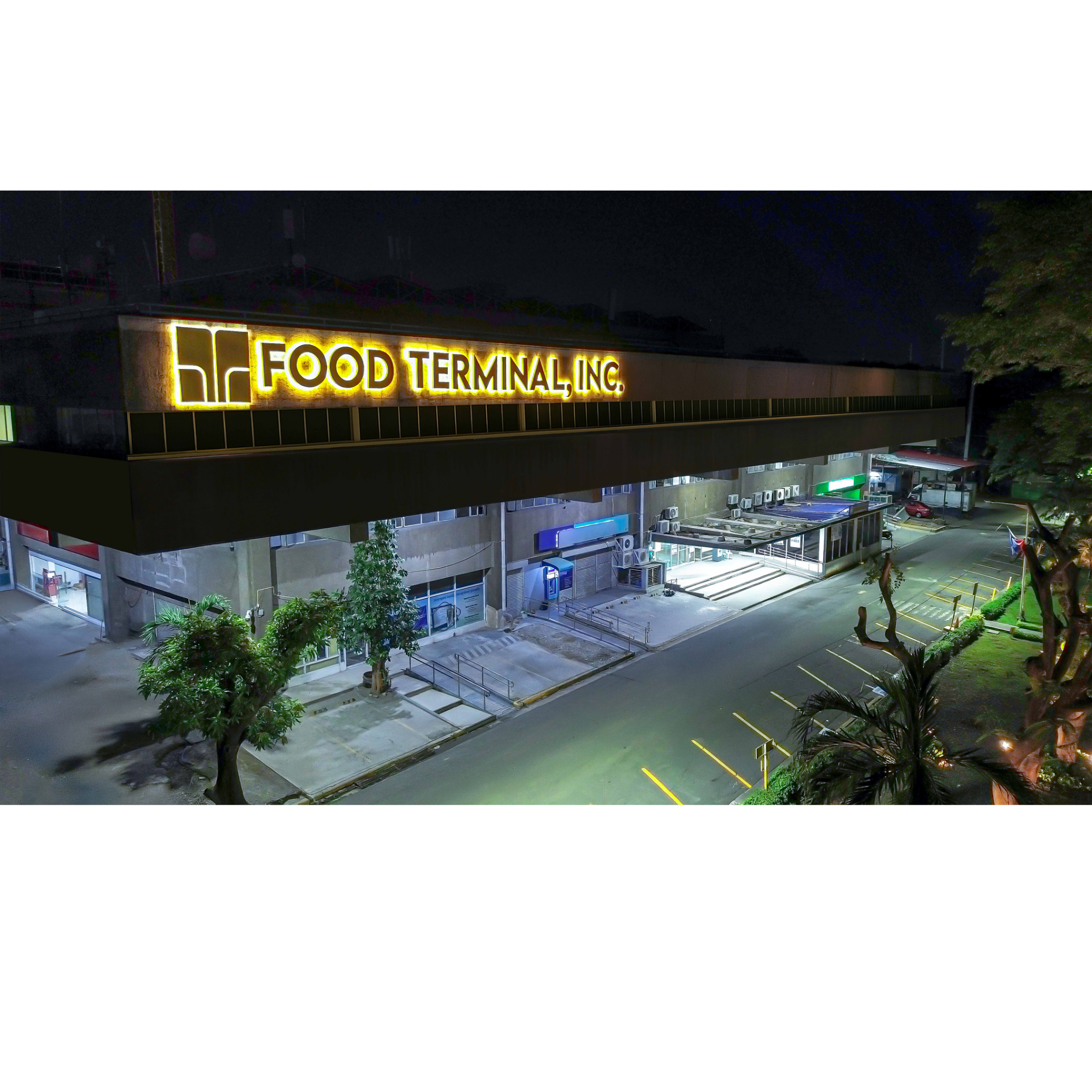
FTI in 2026: Moving Food, Connecting Markets, Building for the Future
September 29, 2026
At Food Terminal Incorporated, 2026 has been a year of expanding our reach, strengthening our partnerships, and laying the groundwork for a more efficient food-distribution system.
As a government-owned and controlled corporation attached to the Department of Agriculture, we recognize that food security is not only about producing enough food. Agricultural products must also be consolidated, stored, handled, transported, and delivered efficiently to the communities that need them.
This is where FTI plays an increasingly important role. Through affordable-food programs, rice procurement, modern food hubs, regional terminals, and cold-chain development, we are working to improve the connection between Filipino producers and consumers.
Bringing affordable rice closer to Filipino families
Among our most visible undertakings this year is our participation in the KADIWA ng Pangulo “Benteng Bigas, Meron Na!” program.
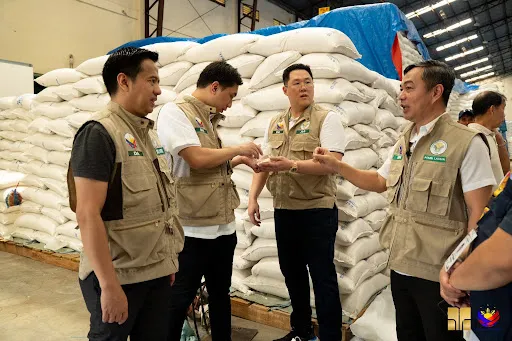
Through close coordination with the Department of Agriculture, National Food Authority, local government units, and other partner agencies, FTI supports the procurement, consolidation, storage, transportation, and distribution activities needed to bring ₱20-per-kilogram rice to qualified beneficiaries.
The program has reached communities across Luzon, Visayas, and Mindanao. Behind every rollout is a coordinated operational effort—from securing the rice supply and preparing distribution sites to working with local partners and ensuring that the program reaches its intended beneficiaries.
In its July 25, 2026 report, the DA’s report the Department of Agriculture said that the expanding KADIWA network had reached 807 sites nationwide. The DA also reported that KADIWA had facilitated the sale of more than 120,992 metric tons of agricultural products, widening market access for farmers, fisherfolk, and food producers while providing consumers with more affordable choices.
For us at FTI, these figures represent more than the volume of products moved. They reflect families gaining access to affordable food and producers being connected to dependable markets.

Source: Department of Agriculture
Supporting Rice for All through large-scale procurement
Our work also supports the government’s broader Rice for All program.
In August 2026, FTI pursued the procurement of 2,220.50 metric tons of rice for Region X, with an approved budget of ₱108,804,500, under the Sagip Saka Act.
Procurements of this scale demonstrate the extensive preparation behind affordable-rice initiatives. Rice must not only be purchased; it must also be made available according to the delivery schedule, inspected, stored properly, transported, and distributed through an organized network.
This behind-the-scenes work is essential to keeping public food programs reliable and responsive to local demand.

Source: DA Farmers and Fisherfolk Enterprise Development Information System
Building a nationwide network of food hubs
While our affordable-food initiatives address immediate consumer needs, FTI is also investing in infrastructure that can strengthen the country’s food system over the long term.
In 2026, we accelerated the development of a nationwide network composed of five Mega Food Hubs and 16 Regional Food Terminals.
The planned Mega Food Hubs will be located in:
- Clark, Pampanga
- Tiaong, Quezon
- Manolo Fortich, Bukidnon
- Camarines Sur
- Cebu
These facilities are envisioned as integrated centers for food consolidation, storage, handling, trading, and distribution. The objective is to create more direct and efficient links between production areas and consumer markets.
The Commonwealth Market in Quezon City is also intended to be integrated into the network, connecting it with cold storage, trading facilities, and modern distribution systems.
The nationwide infrastructure program is estimated to require approximately ₱20 billion in investment over several years. While the full network will take time to complete, several facilities are being prioritized for development and operationalization.
As our President and CEO, Joseph Rudolph C. Lo, explained in the DA report, we are building the backbone of a modern food-distribution system. Through integrated food hubs and cold-chain facilities, we aim to lower logistics costs, reduce post-harvest losses, and deliver fresher and more affordable food to Filipino families.

Source: Department of Agriculture
Advancing the Mega KADIWA Food Hub in Taguig
One of our priority developments this year is the Mega KADIWA Food Hub in Taguig.
As of the Department of Agriculture’s July 2026 update, the facility was targeted for completion by October 2026. Once operational, it is expected to help strengthen the movement of agricultural products into Metro Manila by providing a more organized location for storage, trading, and distribution.
The project reflects how FTI’s role continues to evolve. Beyond participating in retail food programs, we are helping develop the infrastructure that makes these programs possible—from the arrival and storage of commodities to their movement toward markets and communities.

Preparing the Clark Mega Food Hub
Preparatory work for the Clark Mega Food Hub is also moving forward.
The project builds on the partnership between FTI and the Clark International Airport Corporation. Before full development proceeds, the project site is undergoing the necessary soil testing and safety inspections.
Clark’s strategic location provides an opportunity to connect agricultural production areas in Northern and Central Luzon with major markets and transportation gateways. The planned hub is expected to support consolidation, storage, cold-chain operations, processing, and distribution.
Its development is part of our broader effort to establish a food-logistics network capable of moving agricultural commodities more efficiently across regions.

Strengthening regional food terminals and cold-chain capacity
Complementing the Mega Food Hubs are our Regional Food Terminals, which are designed to respond to the distinct agricultural strengths and logistical needs of different areas.
In 2026, Regional Food Hubs in Cebu and Lingayen were being operationalized to support the government’s affordable-rice program by improving storage and distribution efficiency.
Cold storage is a major component of our regional-terminal strategy. FTI’s Regional Food Terminal program identifies commodity-specific applications, including facilities for fruits and vegetables in Davao and marine products in Pangasinan.
Proper temperature management helps preserve food quality, extend shelf life, maintain freshness, and reduce spoilage. It also gives producers more flexibility in bringing their products to market instead of being forced to sell immediately because of perishability.

Source: FTI Regional Food Terminal Program
Moving forward together
Our work in 2026 reflects both immediate action and long-term preparation.
Through Benteng Bigas, Meron Na! and Rice for All, we help respond to the present need for affordable rice. Through Mega Food Hubs, Regional Food Terminals, and cold-chain facilities, we are investing in the infrastructure required for a stronger and more resilient food system.
There is still much work ahead. Building a modern nationwide food-distribution network requires sustained collaboration among national government agencies, local government units, farmers’ and fisherfolk groups, private-sector partners, and the communities we serve.
At FTI, we remain committed to doing our part—moving food efficiently, connecting producers to markets, supporting government food programs, and helping bring safe, fresh, and affordable agricultural products closer to every Filipino family.
From local production to national distribution, FTI continues to move food, connect markets, and build for the future.

Project figures and implementation status are based on official information available as of September 17, 2026.